The Environmental Toll of Traditional Farming: A Wake-Up Call


For centuries, traditional farming has been the cornerstone of human civilization, feeding billions and shaping societies. However, in the face of modern environmental challenges, its ecological cost has become impossible to ignore. Today, the environmental toll of conventional agriculture stands as one of the most pressing issues for our planet’s future.
The Hidden Costs of Conventional Agriculture
Traditional farming practices often rely heavily on chemical fertilizers, pesticides, and intensive irrigation. While these methods boost yields in the short term, they come with steep environmental consequences:
- Soil Degradation: Over-farming and chemical use strip soil of nutrients, reducing its fertility and long-term productivity.
- Water Scarcity: Agriculture consumes around 70% of global freshwater resources, with inefficient irrigation methods wasting vast amounts.
- Greenhouse Gas Emissions: From livestock methane to fossil fuel-powered equipment, traditional farming is a significant contributor to climate change.
- Biodiversity Loss: Monoculture farming displaces natural habitats, endangering wildlife and disrupting ecosystems.
The Urgency for Change
As the global population grows, continuing these practices is unsustainable. The environmental damage is already visible—rivers running dry, collapsing insect populations, and degraded farmland unable to support crops. Without a shift toward sustainable solutions, the stability of our food systems and ecosystems is at risk.
Paving the Way with Innovation
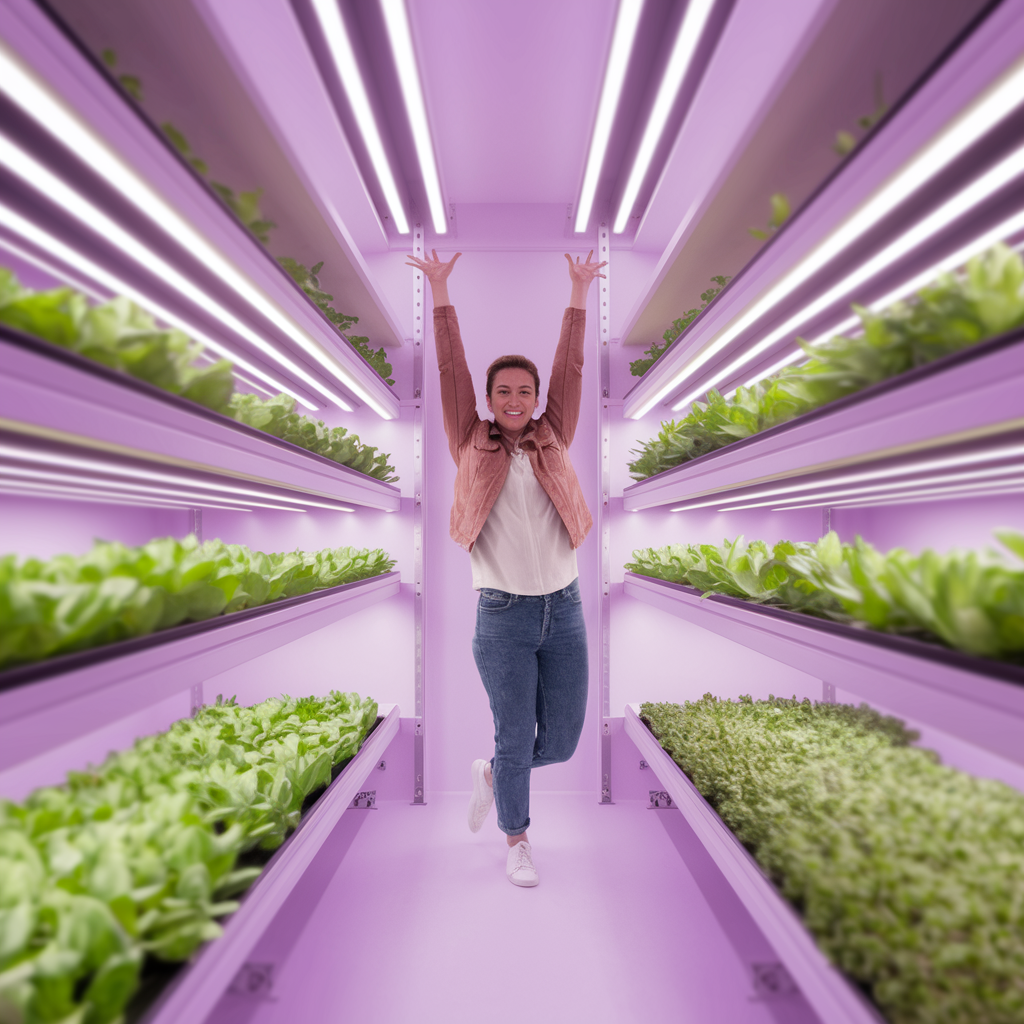
Sustainable agriculture offers a way forward. By integrating advanced methods like hydroponics, vertical farming, and controlled environment agriculture, we can dramatically reduce water usage, eliminate harmful chemicals, and grow food closer to where it’s consumed.
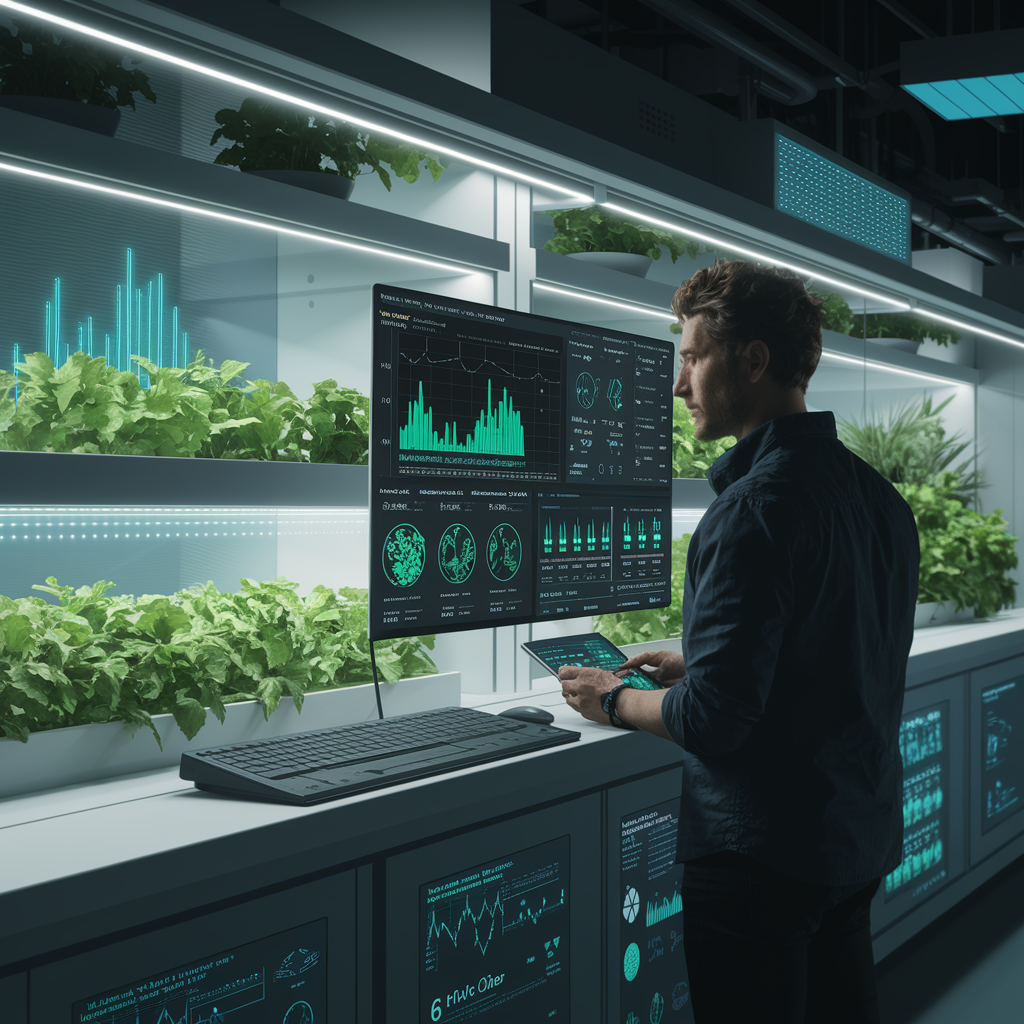
At TerraGrow, our mission is to lead this transformation. Our Food Replicator and modular hydroponic systems are designed to maximize yield while minimizing environmental impact—using up to 90% less water, avoiding pesticides, and optimizing resources through IoT-enabled precision farming.
A Call to Action
The environmental toll of traditional farming is a wake-up call we can’t afford to ignore. By embracing sustainable technologies and practices, we can protect our natural resources, reduce greenhouse gas emissions, and ensure future generations inherit a thriving planet.
The time for change is now. Every choice we make—from how we grow our food to how we consume it—can help restore the balance between human needs and environmental health.